
“The Liberation of South Vietnam” stands out from other wargames with its unique blend of tactical depth, unpredictability, and thematic immersion, which together create a distinct and engaging gaming experience.
1. Asymmetrical Warfare Focus
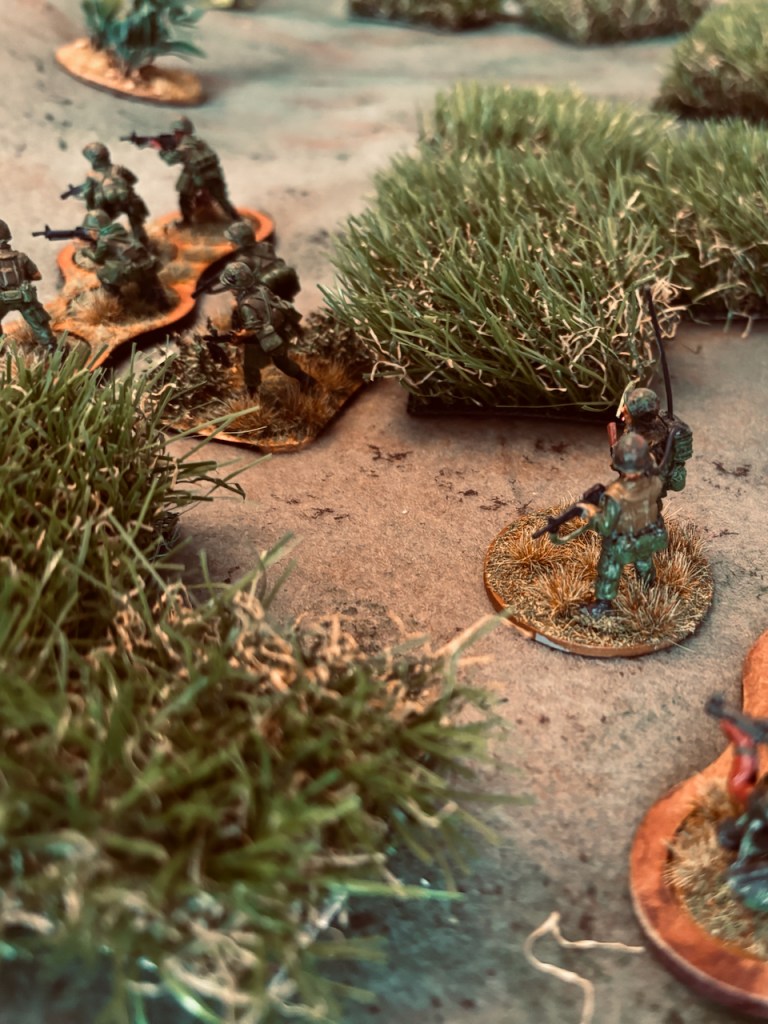
Unlike many traditional wargames that emphasize conventional battles between evenly matched forces, this game captures the essence of asymmetrical warfare. Players must navigate the complexities of fighting a hidden and elusive enemy—the North Vietnamese Army (NVA) and Viet Cong (VC). The game emphasizes the challenges of guerrilla warfare, where the enemy’s location and strength are often unknown, requiring players to think like counterinsurgency commanders, balancing aggression with caution.
2. Event-Driven Gameplay
One of the most distinctive features of the game is its use of event cards. These cards introduce unpredictable elements into each turn, simulating the chaotic and uncertain nature of the Vietnam War. Events can range from sudden enemy ambushes to unexpected weather changes or shifts in political objectives. This mechanic ensures that no two games are alike, as players must constantly adapt to new situations and modify their strategies on the fly.
3. Terrain and Environmental Challenges
The game places a strong emphasis on the terrain and environmental conditions of Vietnam, making the setting more than just a backdrop. The dense jungles, rivers, and rice paddies of South Vietnam are integral to the gameplay, affecting movement, visibility, and combat effectiveness. Players must carefully navigate these challenging environments, using the terrain to their advantage while avoiding potential traps set by the enemy.
4. Resource Management and Morale
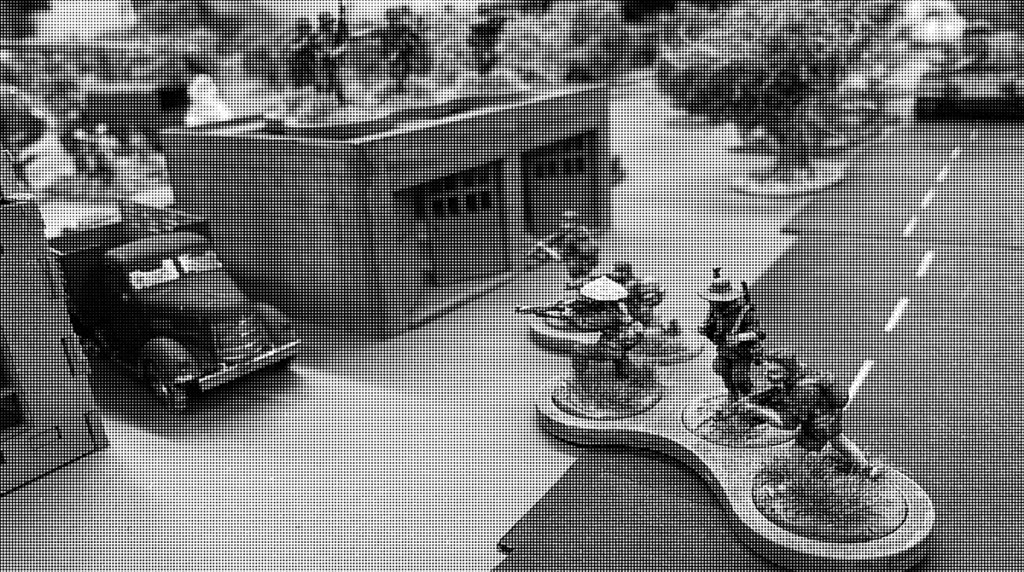
Beyond the tactical combat, the game introduces elements of resource management and morale, adding layers of strategic depth. Players must manage their forces’ supplies, reinforcements, and overall morale, as these factors directly influence their ability to sustain operations. High casualties or failed missions can demoralize troops, leading to reduced effectiveness in future turns, while successful operations can boost morale and improve performance.
5. Mission-Based Objectives
The game’s mission-based structure offers a variety of scenarios that simulate different aspects of the Vietnam War. Each mission presents unique challenges and objectives, from securing key locations to conducting search-and-destroy operations. The diversity of missions keeps the gameplay fresh and encourages players to experiment with different strategies, making each session a new and exciting experience.
6. Historical Authenticity
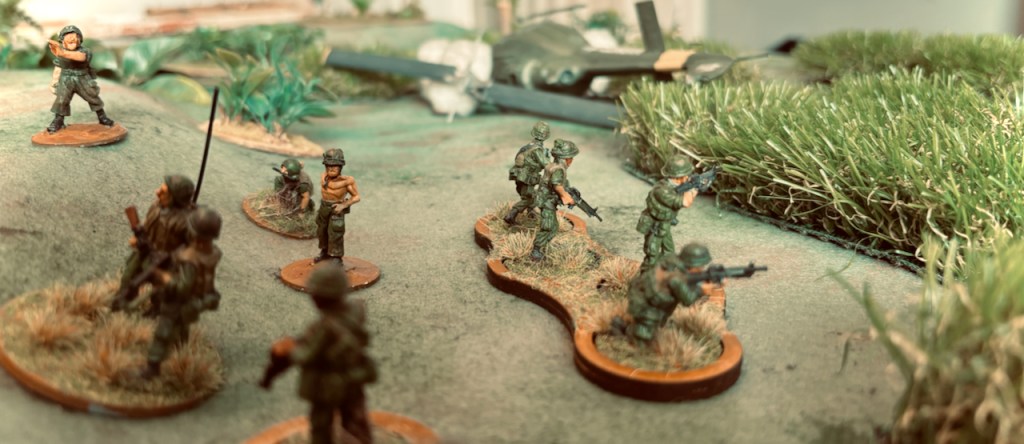
“The Liberation of South Vietnam” is designed with a strong emphasis on historical accuracy. The game reflects the real challenges faced by Free World Forces during the Vietnam War, from the difficulties of navigating the terrain to the complexities of counterinsurgency operations. This authenticity enhances the immersion, making the game not only a strategic challenge but also a learning experience for those interested in the history of the Vietnam War.
7. Solo and Multiplayer Options
The game is versatile in its playstyle, offering both solo and multiplayer modes. The solo mode allows players to experience the game as a single commander facing off against an unpredictable enemy controlled by the event cards, while multiplayer mode provides a more competitive experience, with players taking on different roles within the conflict.
In summary, “The Liberation of South Vietnam” differentiates itself through its focus on asymmetrical warfare, event-driven unpredictability, environmental challenges, and historical authenticity, all of which create a rich and dynamic wargaming experience.
 Beer and pretzels